
Uncategorized
The True Cost of Running Worn Slurry Pump Components Too Long

A slurry pump rarely fails all at once. It fades. Flow drops a little, amps creep up, the maintenance interval shrinks, and the plant adjusts around it. That slow fade is exactly why worn slurry pump components are so expensive: the costs pile up quietly, long before anything actually breaks. Here is what running worn…
Read MoreHow Slurry Density Impacts Pump Performance and Wear Rates

Every slurry pump curve you have ever looked at was drawn with clean water. The moment solids enter the picture, that curve stops telling the whole truth. Slurry density is one of the most important variables in any pumping application, and it quietly affects head, efficiency, power draw, and how fast the pump wears out.…
Read MoreWhat Causes Premature Seal Failure in Slurry Pumps and How to Prevent It

Ask any maintenance engineer where a slurry pump gives out first, and the answer is usually the same: the seal. Industry failure analyses consistently point to the mechanical seal as the most common failure point on centrifugal pumps, and slurry service makes the job even harder. Understanding what drives seal failure in slurry pumps is…
Read MoreNo IoT Budget? Low-Tech Ways to Monitor Pump Wear Before It Shuts You Down
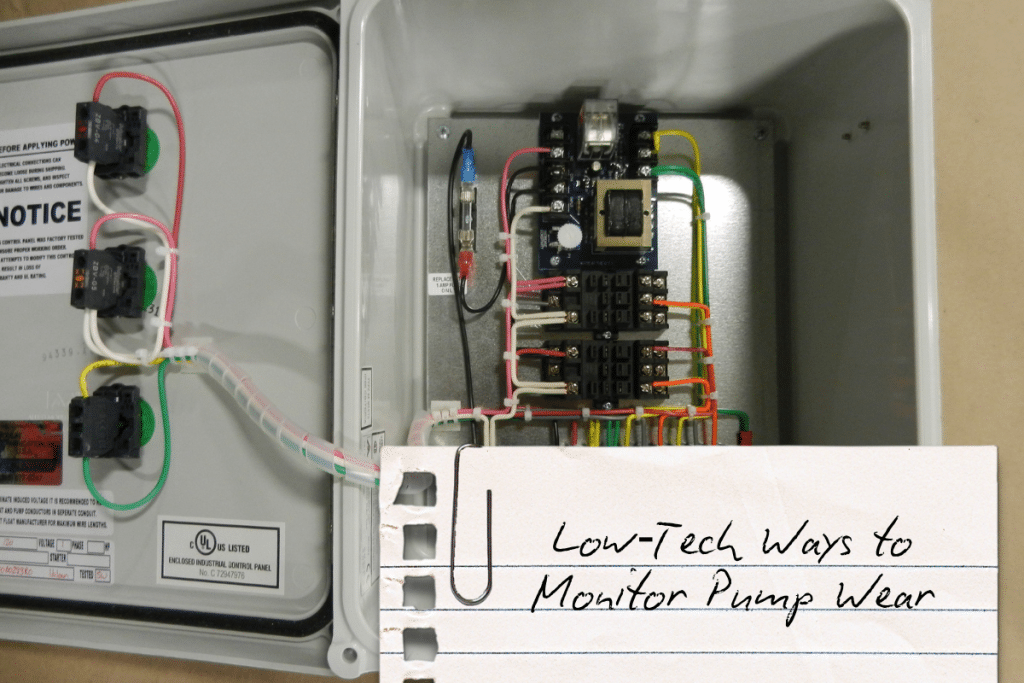
Pump failures rarely happen without warning. Flow drops slightly. Vibration changes. The pump starts making a sound operators have not heard before. The signs are there, but only if someone is looking for them. Many plants do not have the budget for full IoT monitoring systems, and that is fine. Operators can still monitor pump…
Read MorePump Turnaround Planning: How to Prepare for a Mid-Year Shutdown
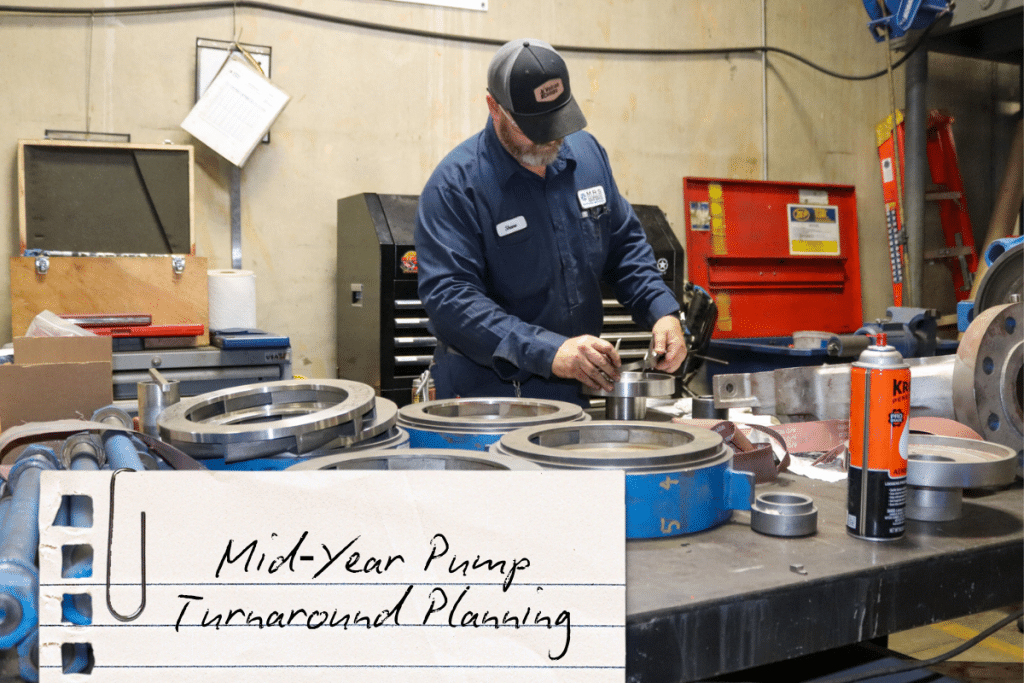
By mid-year, most slurry pumps have been running for months. Internal components have been grinding through sand, mineral solids, and abrasive particles since the last shutdown. Wear is accumulating, and the next maintenance window is approaching. This is when pump turnaround planning should start. A structured approach to inspections, spec reviews, and rebuild scheduling makes…
Read More7 Build Choices That Drive Industrial Slurry Pump Reliability
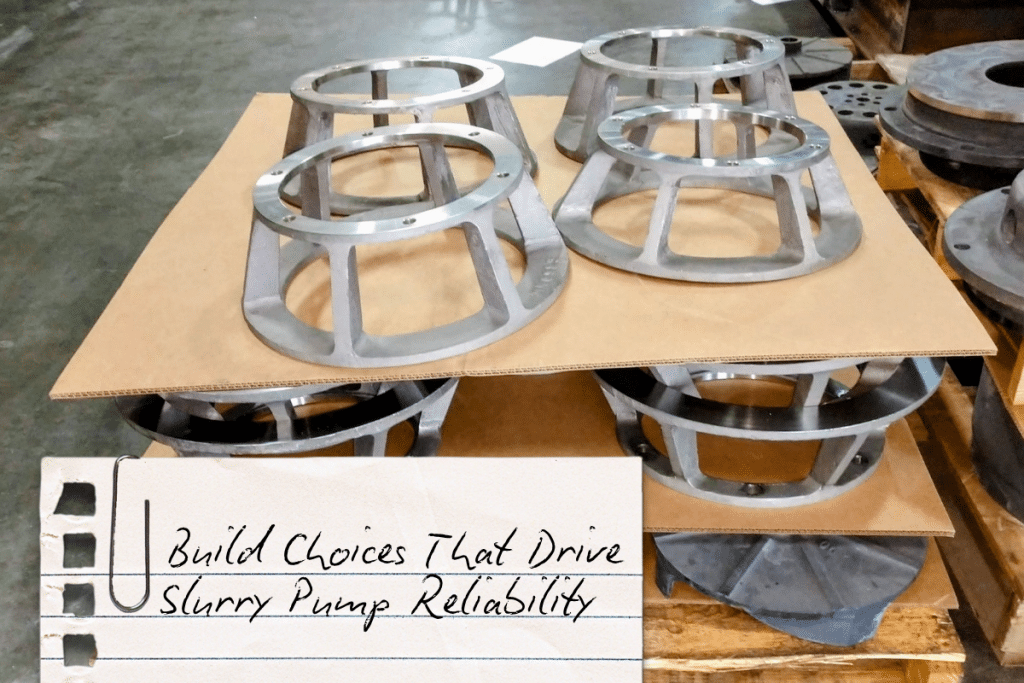
Industrial slurry pump reliability usually becomes a priority after something breaks. Production slows, maintenance scrambles, and the pump that quietly handled slurry every day is suddenly the most important piece of equipment in the plant. Slurry pumps work in harsh conditions. Sand, mineral solids, sludge, and abrasive particles constantly move through the pump. Without the…
Read MoreIn-House Testing on Repaired Pumps: Why Validation Belongs in Every Repair Process
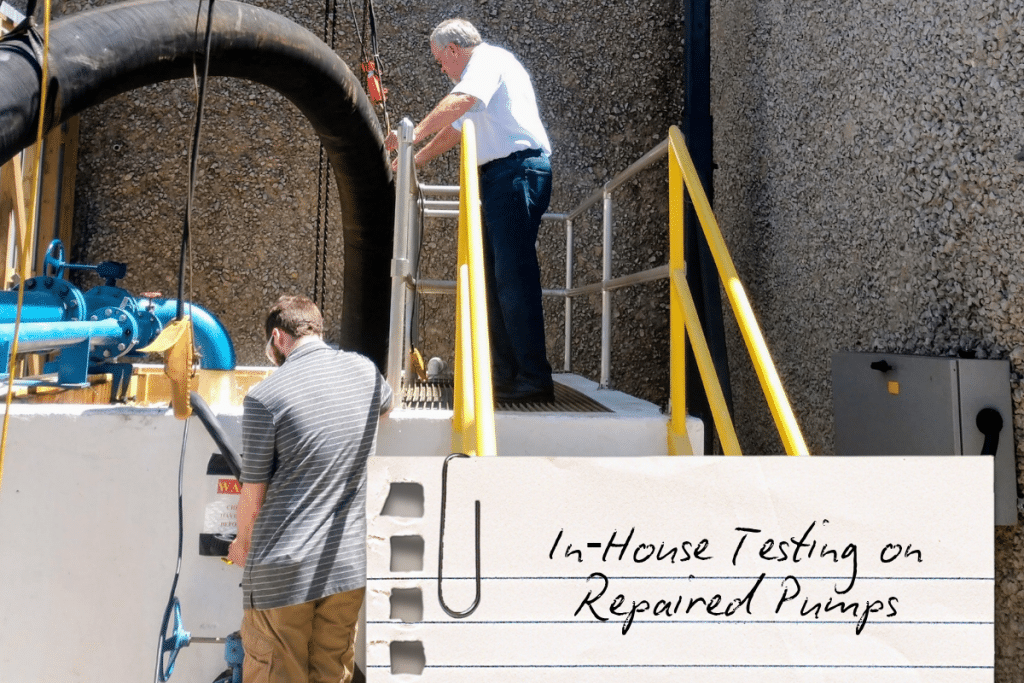
Pump failures rarely wait for a convenient time. They show up during peak production, when every system in the plant needs to be running. The pump gets pulled, repairs begin, and the maintenance team works fast. But once the work is finished, one question remains: will the pump actually perform when it goes back into…
Read MoreHow to Extend the Life of Abrasive Duty Slurry Pumps
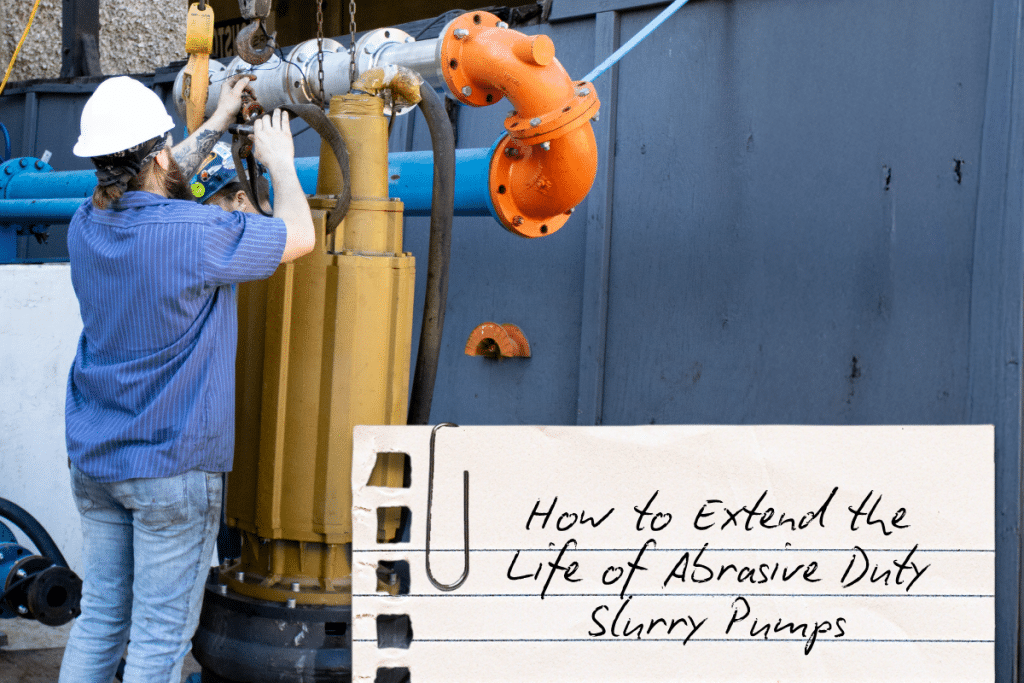
Abrasive duty slurry pumps operate in some of the most demanding conditions in industry. Continuous exposure to solids, constant loading, and variable duty cycles place stress on every component in the system. While abrasive duty slurry pumps are built to handle heavy wear, service life depends on correct sizing, proper operation, and consistent maintenance. A…
Read MoreCustom Slurry Pumps: Why Application Specific Engineering Matters
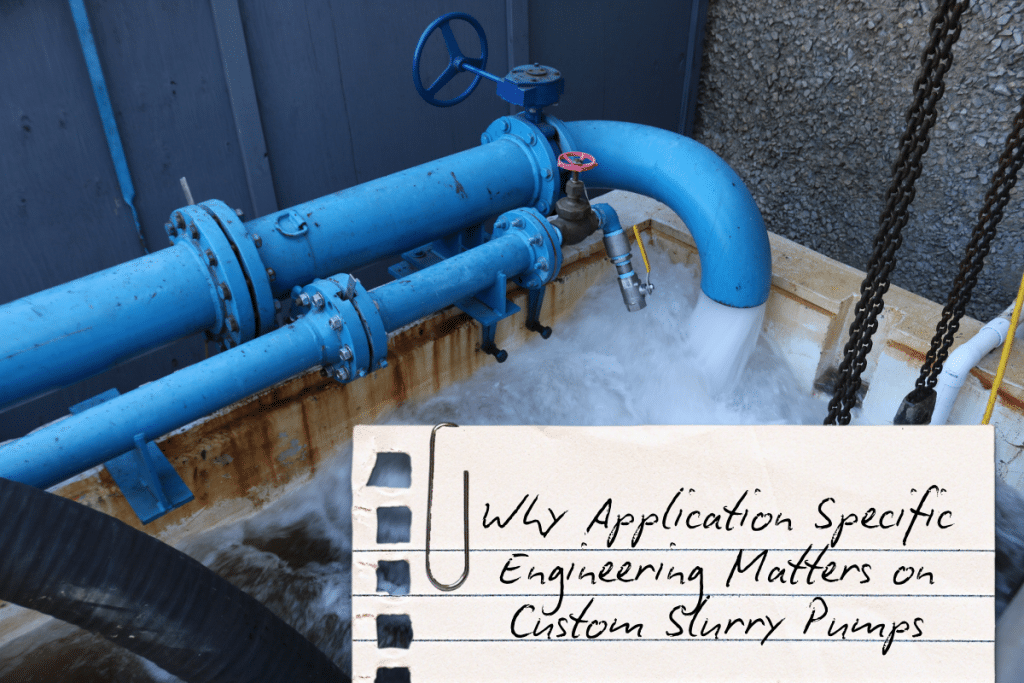
When your process does not fit a standard pump curve, you feel it immediately. Premature wear, reduced performance, and constant adjustments are usually signs that the slurry pump was not built for the job. In abrasive duty environments, a slurry pump that is “close enough” will eventually fail. This is why industrial operations often need…
Read MoreRebuild Or Replace A Slurry Pump? How To Decide After A Failure (And Where Testing Fits)
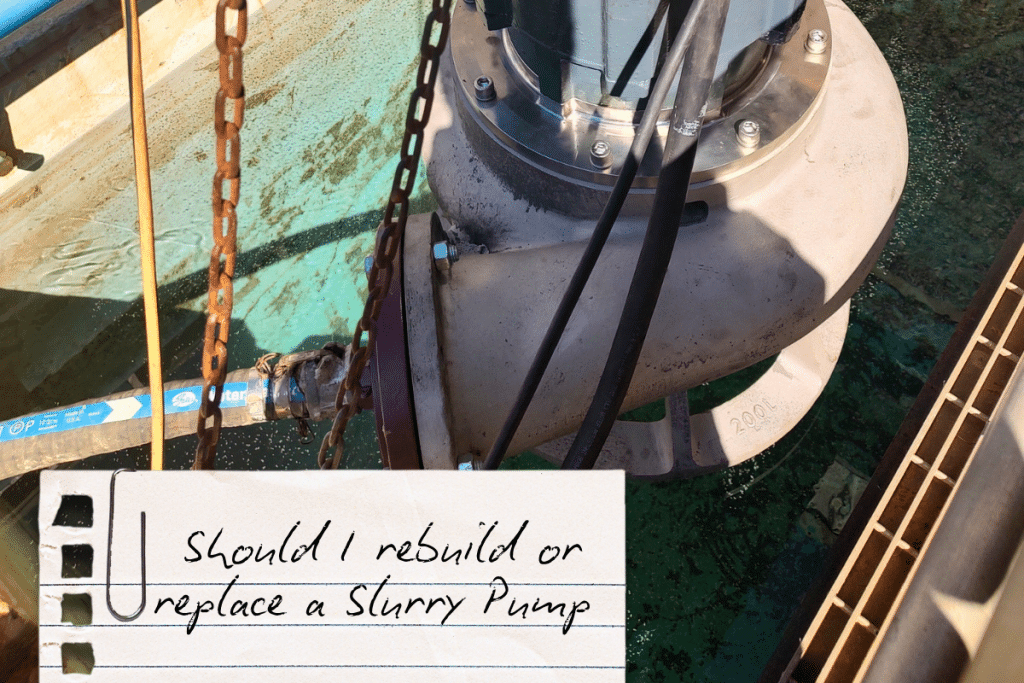
A slurry pump is built for abrasive work, but every pump has a service life. When a failure occurs, the question becomes whether a repair will return the equipment to reliable operation or if replacement is the better long-term decision. The answer depends on the condition of the major components and the demands of the…
Read More